
#13 How I Prepare for Winter
Filling my new Pantry in the Swedish Countryside
A journey through local, seasonal harvests, from picking produce at the farm to filling my pantry for winter.
Autumn life in the Swedish countryside
In autumn, the results of the growing season become visible. The colours, shapes, smells and flavours, all of it is such a joy. It feels as if life is catching a tailwind. To me, that means preparing my home and myself for the cold season. I have the feeling that preparing for winter comes incredibly easily to me at this time of year. I wonder if you feel the same way.
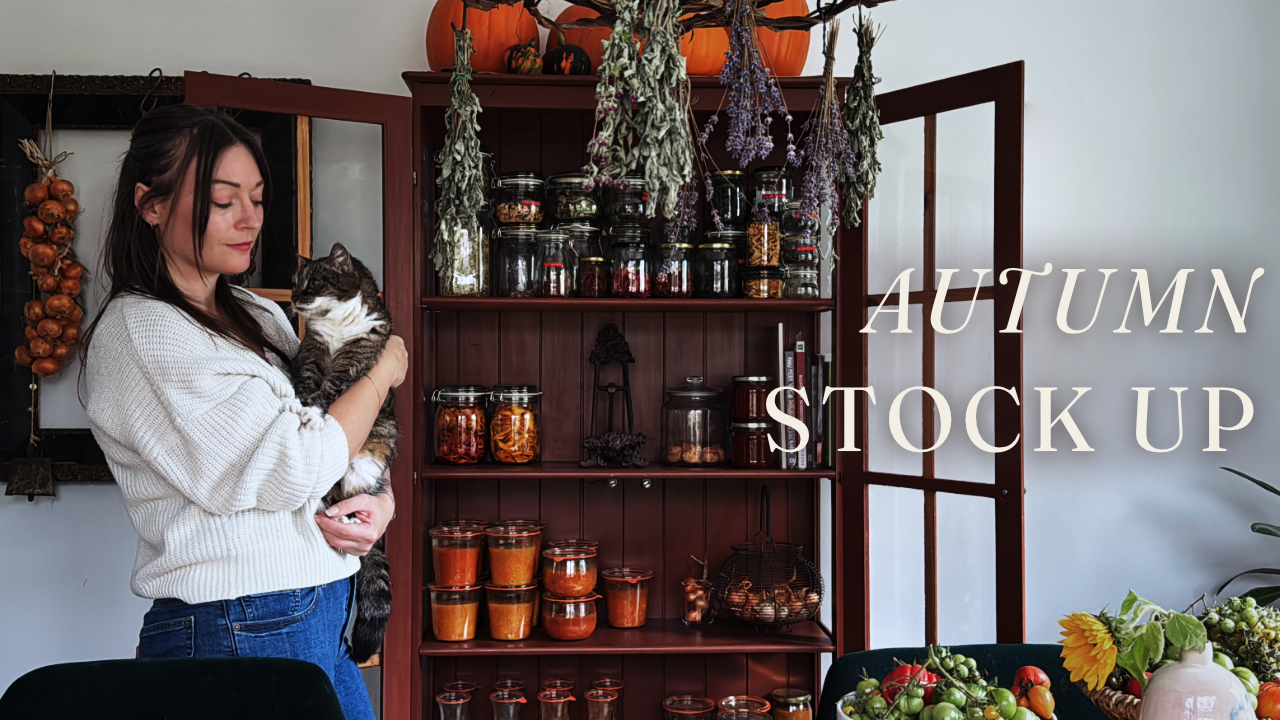
Even this cupboard turned up at exactly the right time. I’d been looking for one for ages, but just before I really needed a solution, there it was. I bought it from a second-hand shop in the local area. This is going to become my larder, my pantry. Let’s fill it up!
Have you heard the parable about the great green sea turtle? In The Café on the Edge of the World, there’s a little parable about a woman who notices that when a wave comes towards a great green sea turtle, it hardly paddles at all. But when a wave moves in the same direction, the turtle paddles much faster, using the movement of the water to its advantage. The lesson is simple: save your energy for opportunities that move you forward. “The turtle never fought the waves. Instead, he used them.” The seasons feel a little like those waves to me. Autumn has its own momentum. And for me, autumn is an outgoing wave.
Harvesting Sweetcorn from the field
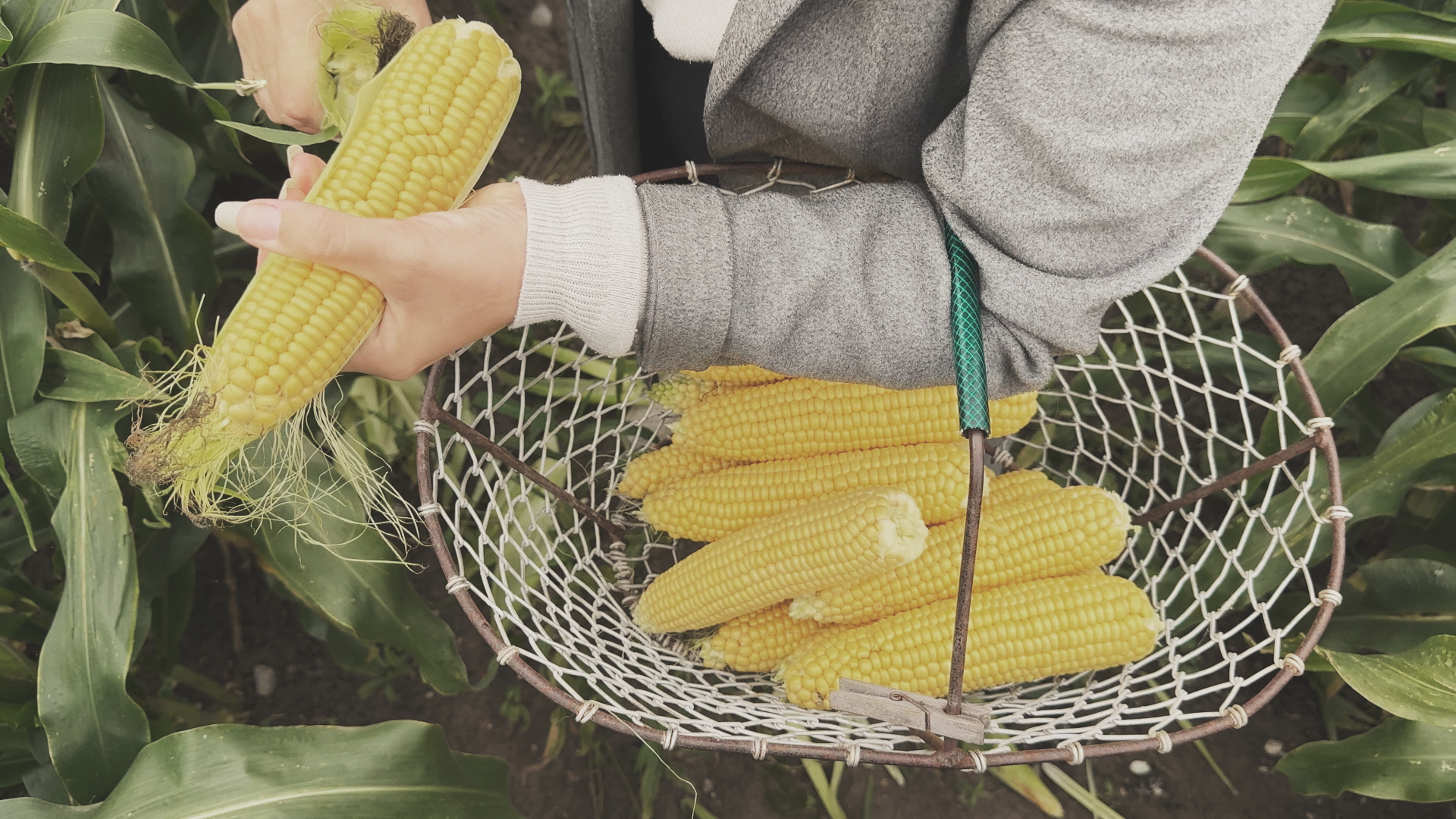
We harvested 7 kilos of sweetcorn. How lovely that we discovered this sweetcorn festival. Now is the perfect time to buy fresh local produce. The local producers are so proud of their work. Lots of people have come to harvest and celebrate, and many take photos of the beautiful decorations. Grocery shopping becomes a real experience here.
I’m going to freeze the cobs and the loose sweetcorn. The cobs for barbecuing, and the loose sweetcorn for all sorts of dishes. I had grown corn and pumpkins in my garden, but the summer drought left very little. Everything was delayed, so unfortunately we could only harvest baby-sized crops this time. But there’s enough to save seeds for next year.
Garden Harvest and Preserving Tomatoes
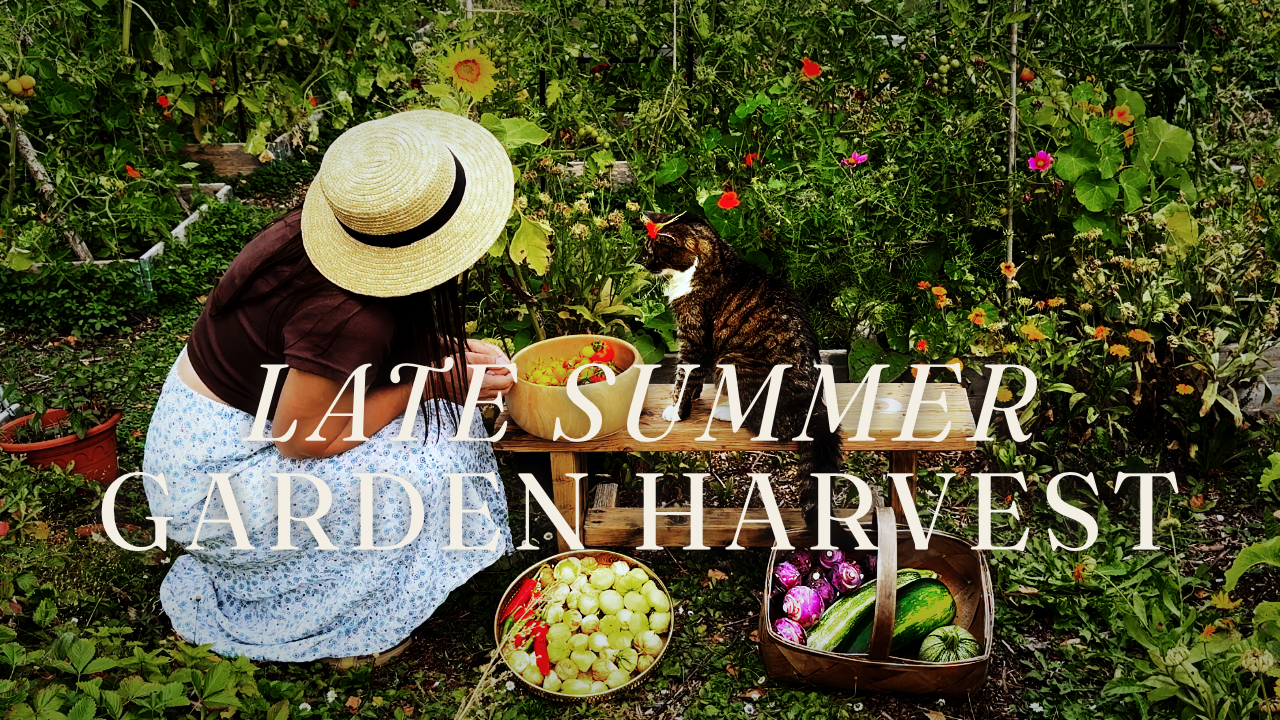
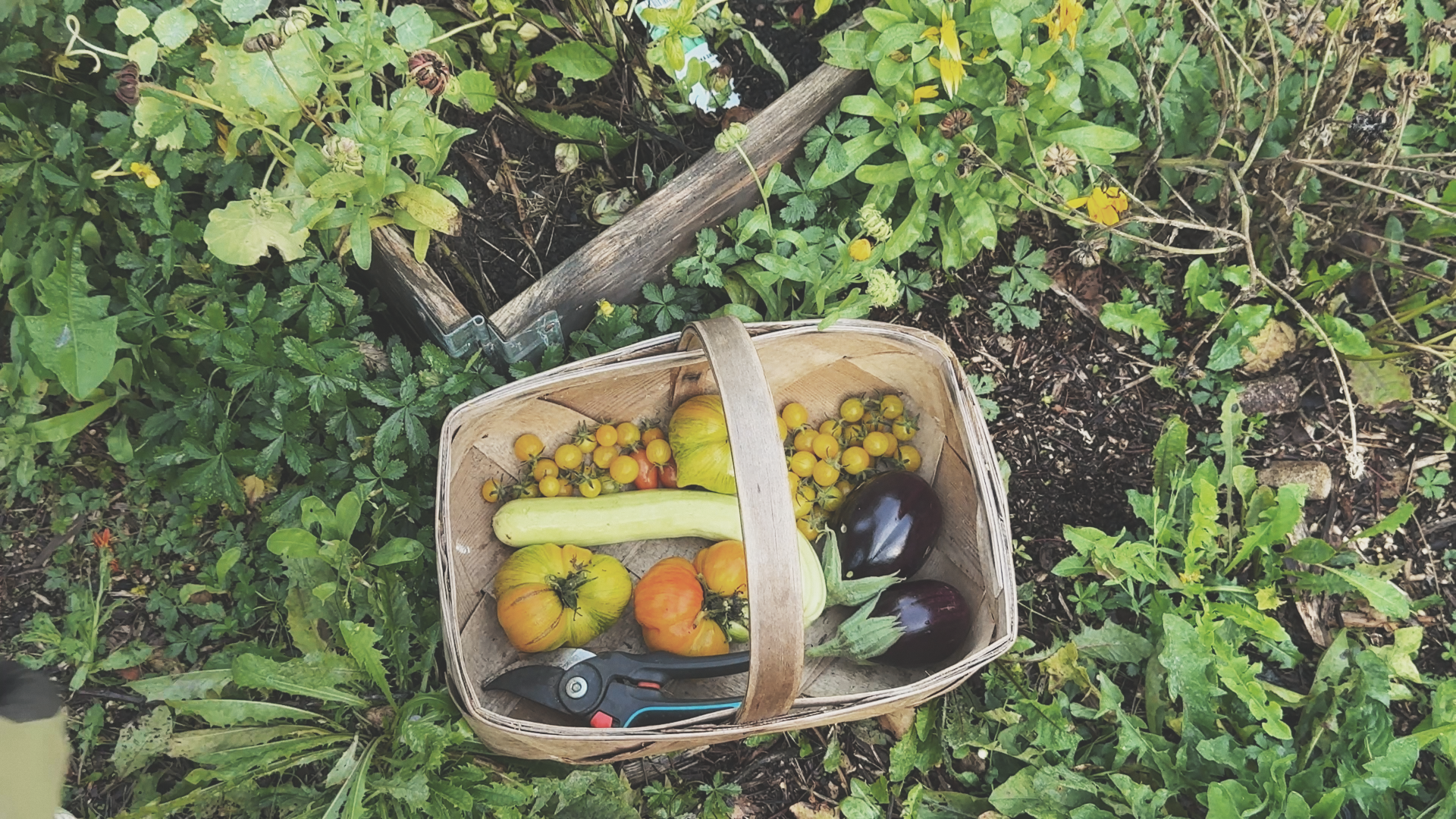
Since the start of the year, I’ve been trying to eat a largely seasonal diet. Of course, this doesn’t always work out, but I try to pay attention to it when grocery shopping. The garden helps me a great deal with this. Food that is in season is harvested when ripe. It therefore tastes better and contains more nutrients than food harvested unripe. It is also cheaper than out-of-season produce, which can sometimes require more pesticides. You can find seasonal fruit and vegetables in the supermarket too. It’s worth checking the labels. But nothing beats growing your own vegetables. Even a small pot of herbs counts.
Drying is a way of preserving food that doesn’t use electricity all the time, like frozen food does. Dried food can be stored very well at room temperature. Tomatoes are ideal for drying. Dried tomatoes are wonderfully versatile and can easily be rehydrated whenever needed. They’re perfect for adding rich tomato flavour to stews, tofu scrambles and all kinds of other dishes. I’ve also made some tomato sauce for pasta and pizza. But since jars of sauce take up much more room, I’m now making less sauce and drying more. Dried tomatoes make storing the harvest so much easier, a great way to preserve it while saving space. Drying can take up to 18 hours. Check regularly and rotate the trays for even drying. The tomatoes should be dry but slightly flexible.
Firewood Delivery and Stacking
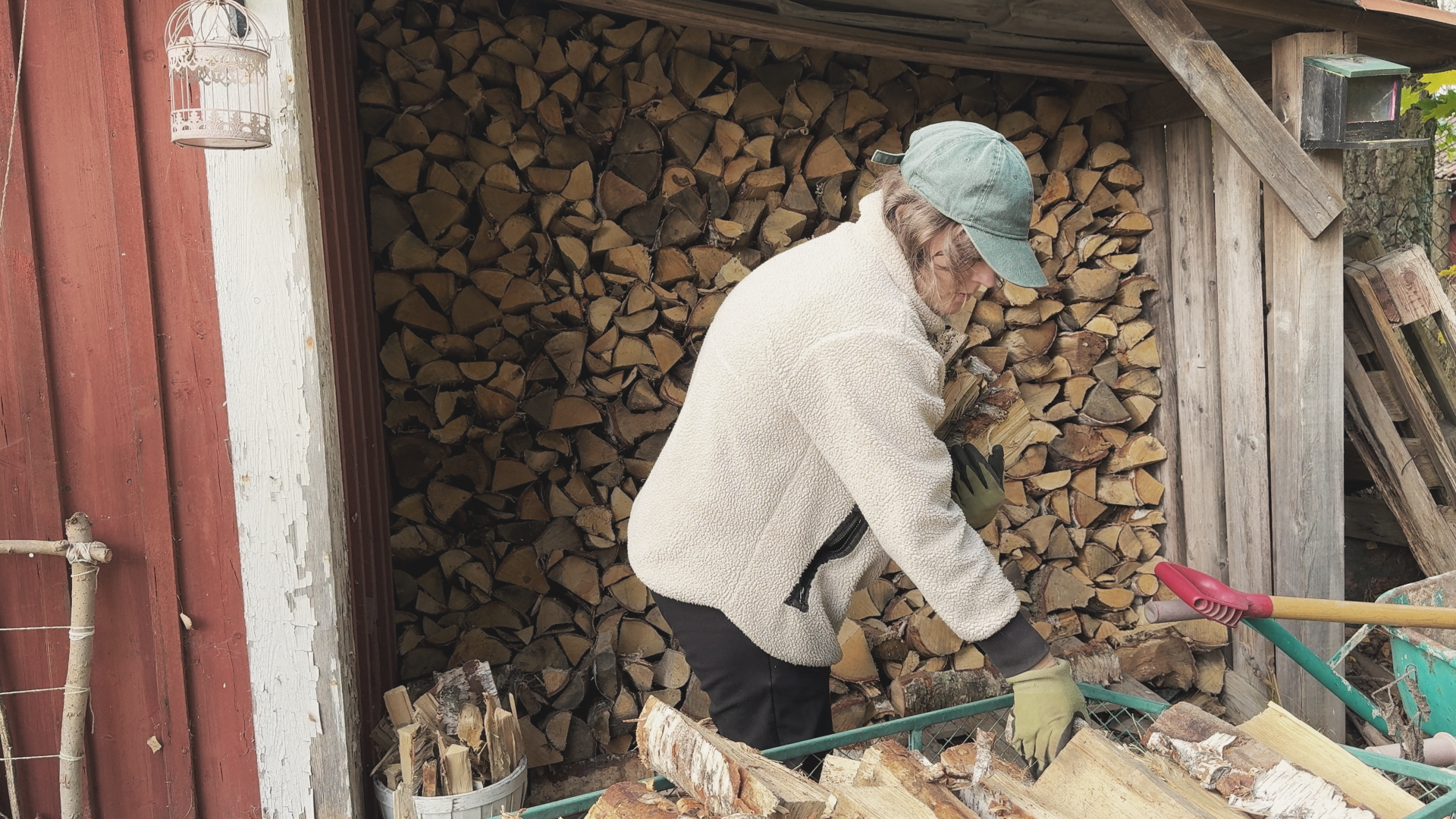
The light in autumn is so warm that you could easily forget how cold it’s going to be soon. “Firewood warms you twice.” I’ve known this saying ever since moving to the countryside. So I was surprised when, while doing some research, I saw that it appears in the book I’m currently reading, Braiding Sweetgrass by Robin Wall Kimmerer. I haven’t reached that chapter yet, but now I’m looking forward to it even more.
And the saying holds true, even if you don’t fell and chop the wood. Simply stacking it is work enough to warm you twice. Autumn seems to me to be the best time for this task. This is what it looks like after the first two trailer loads. There’s more work behind simple things than we realise. Warmth, food, a comfortable home. Often someone has to put in the effort long before we get to enjoy them. The connection between effort and comfort. Autumn offers us the perfect conditions to prepare for the colder months ahead. “Firewood warms you twice” makes more sense to me when the temperature has dropped. When I work with the rhythm of the seasons, things seem to fall into place more easily.
The neighbour’s cat is popping round for a visit. The supervisor is making her rounds. As the days grow shorter and the temperatures begin to drop, having the wood ready brings a sense of calm. There is something reassuring about knowing that when the first really cold evenings arrive, I can simply light the stove and enjoy the warmth.
Mango Delivery
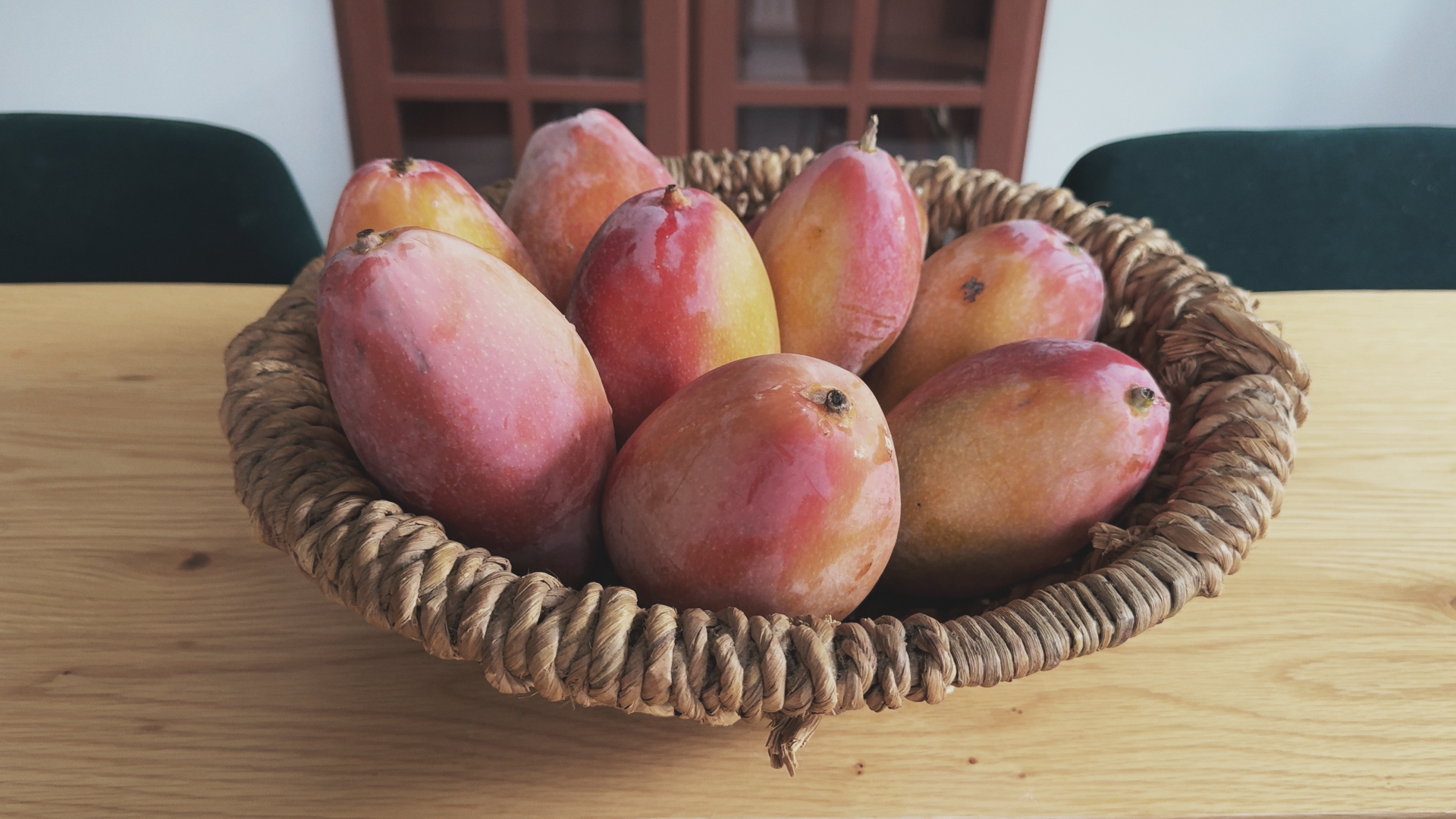
I’ve been waiting for this special parcel. It’s the very first of several that I’ll be receiving over a longer period of time. I’ve been avoiding imported fruit and vegetables for a long time now. Imported produce can come with environmental and ethical concerns, from the impact on growing regions to unfair working conditions. But rather than simply going without, I’ve found another way. By placing larger orders, we can support small-scale farmers directly, especially those who grow organically. So we’ve adopted a mango tree in southern Spain, and Maria’s family farm sent us these mangoes. Of course, I can’t eat them all at once, so I’ll be preserving most of them for later. The mangoes continue to ripen at room temperature and become even sweeter after a few days.
This is my first time drying mangoes, which is why I didn’t realise I’d cut them into pieces that were too small. Drying is a great way to preserve mangoes. Like tomatoes, they can be stored at room temperature and rehydrated at any time. Simply place the pieces in a glass of water overnight. This way, you’ll have ripe mangoes at home all year round. Larger pieces are easier to remove from the dehydrator and don’t break as easily. I’d recommend leaving the pieces larger and cutting them smaller after rehydrating, if needed.
Visiting local farm shop
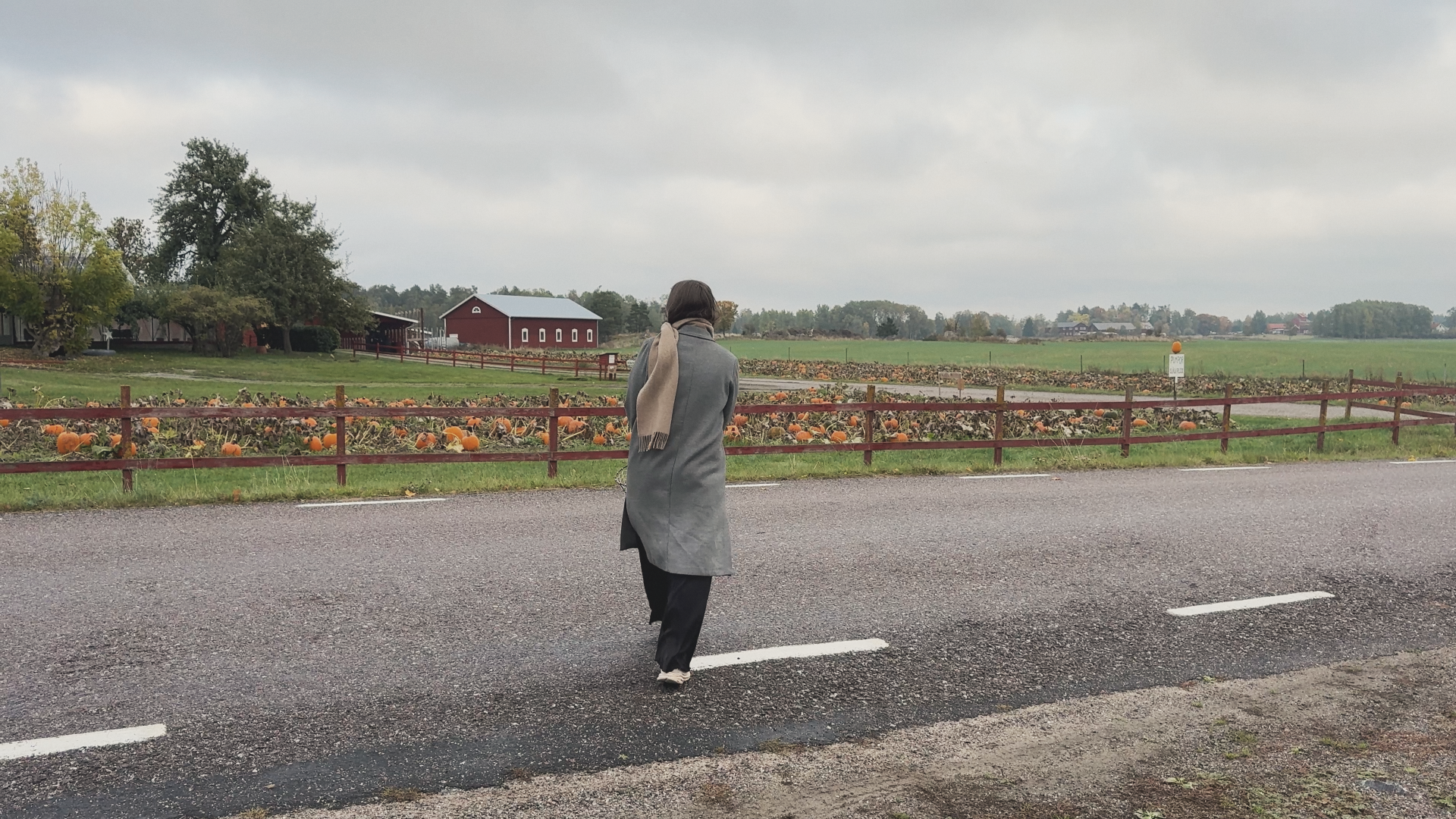
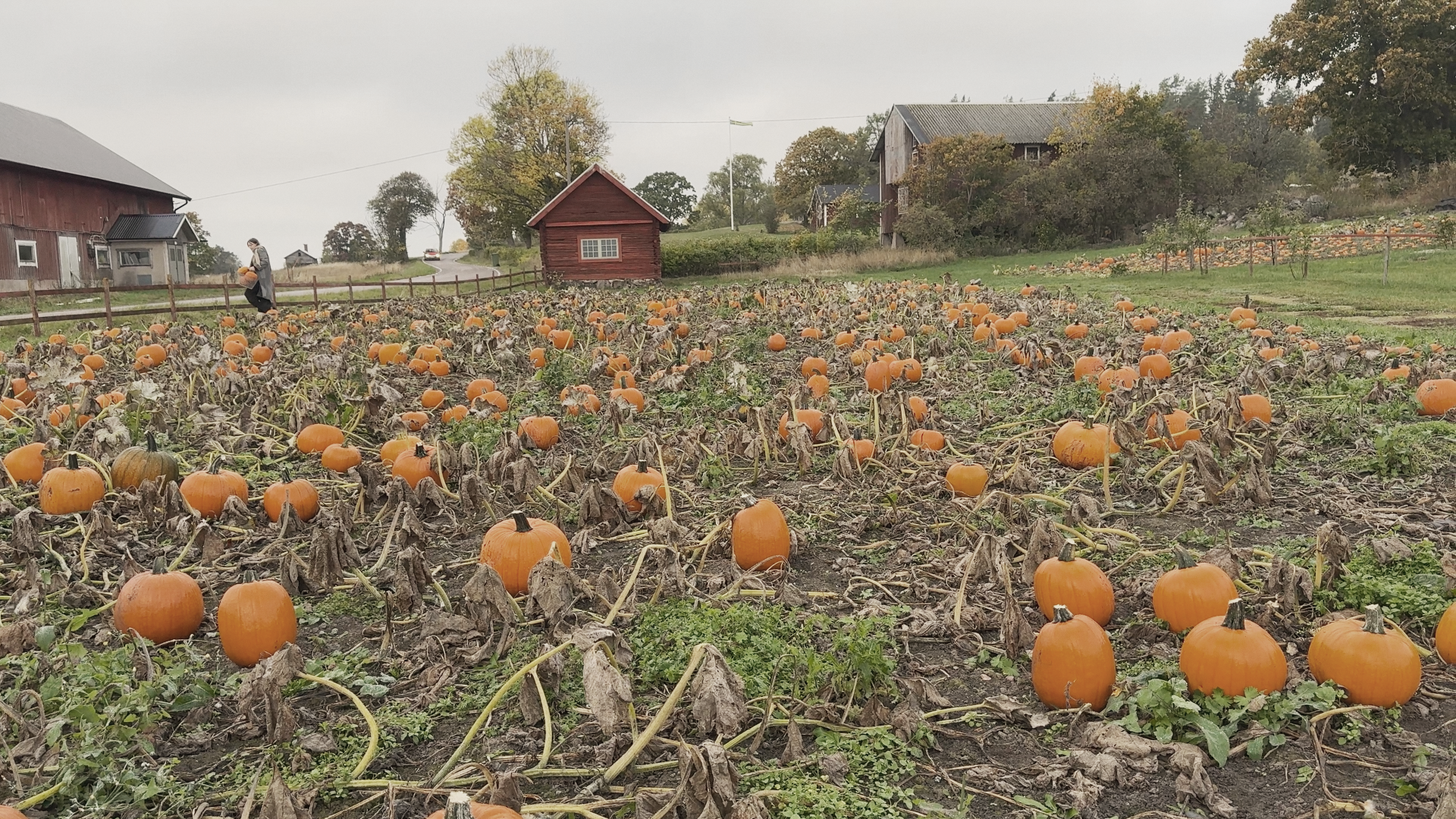
We don’t have a farmers’ market, but I’m lucky to have small local farms nearby. I love being able to see the fields where the food grows, ask the farmers about their work and learn more about it. It makes me appreciate the food I bring home even more, especially when stocking up for the winter months. This pumpkin patch is only open in the autumn. Families make a little outing of it, harvesting together or turning it into a Halloween tradition. Even without a garden, you can enjoy the benefits of gardening this way. Seeing all these pumpkins just makes you happy! Everyone gets to enjoy vegetables as fresh as they can possibly be, straight from the field.
Filling the pantry
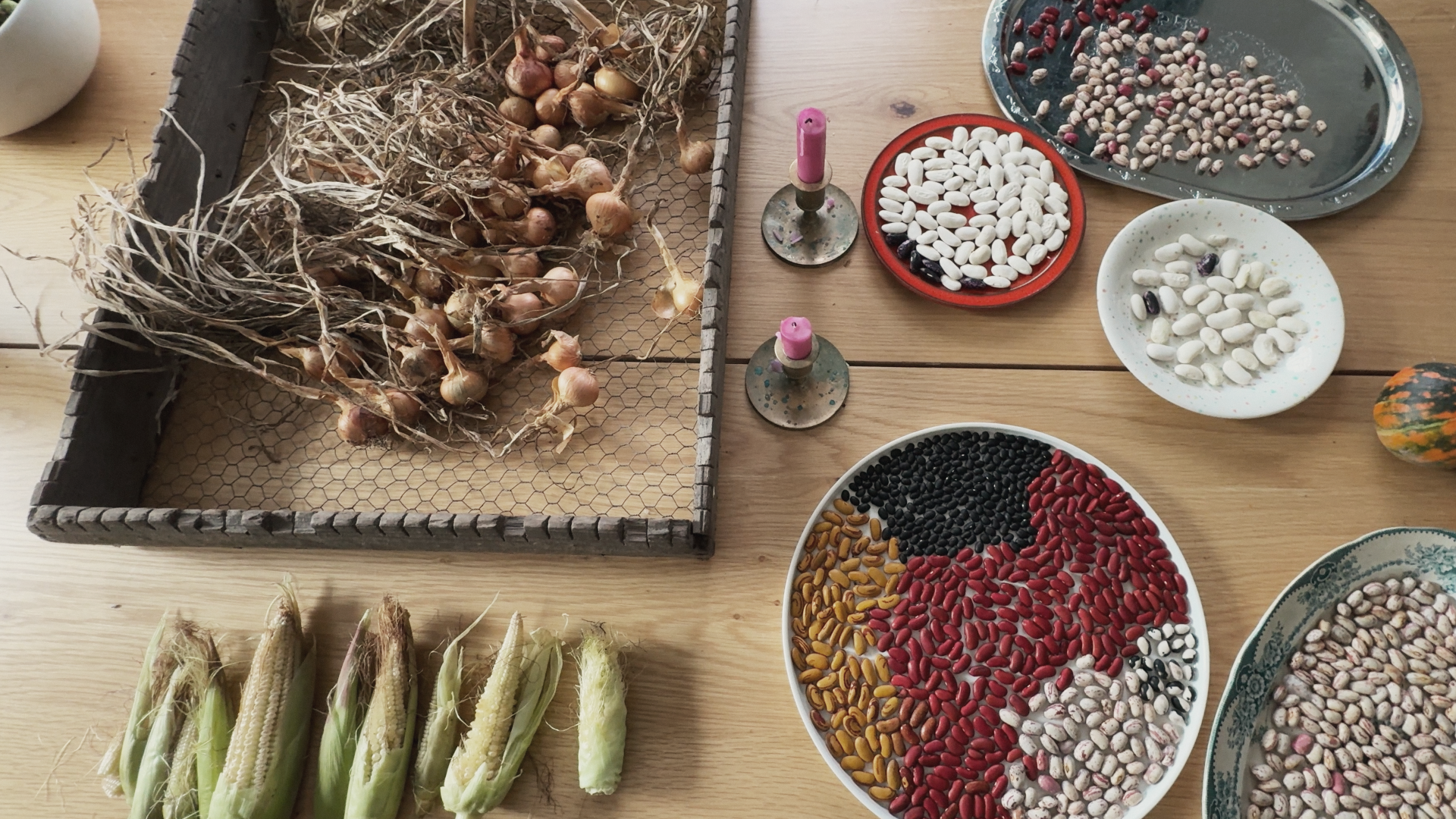
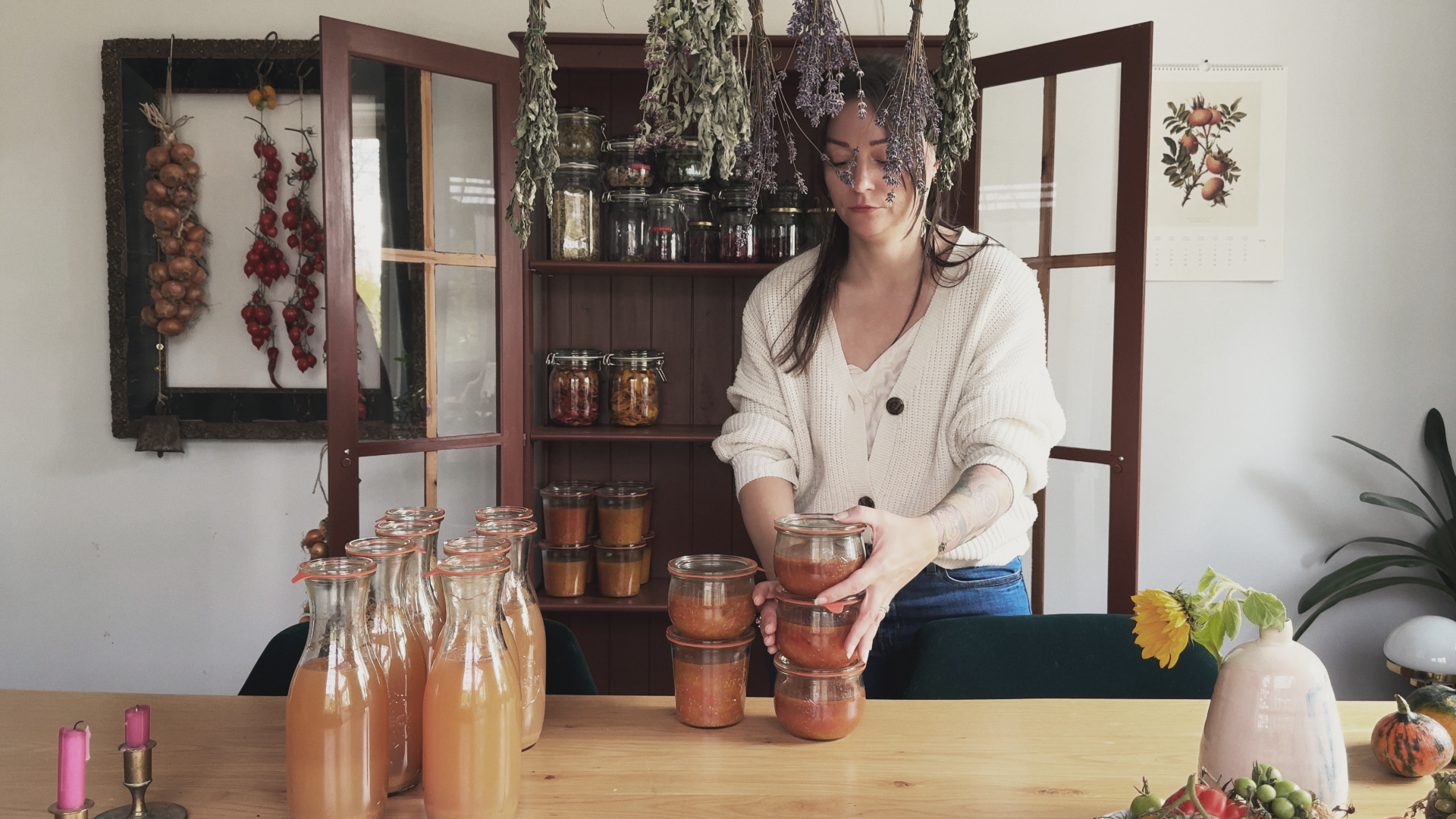
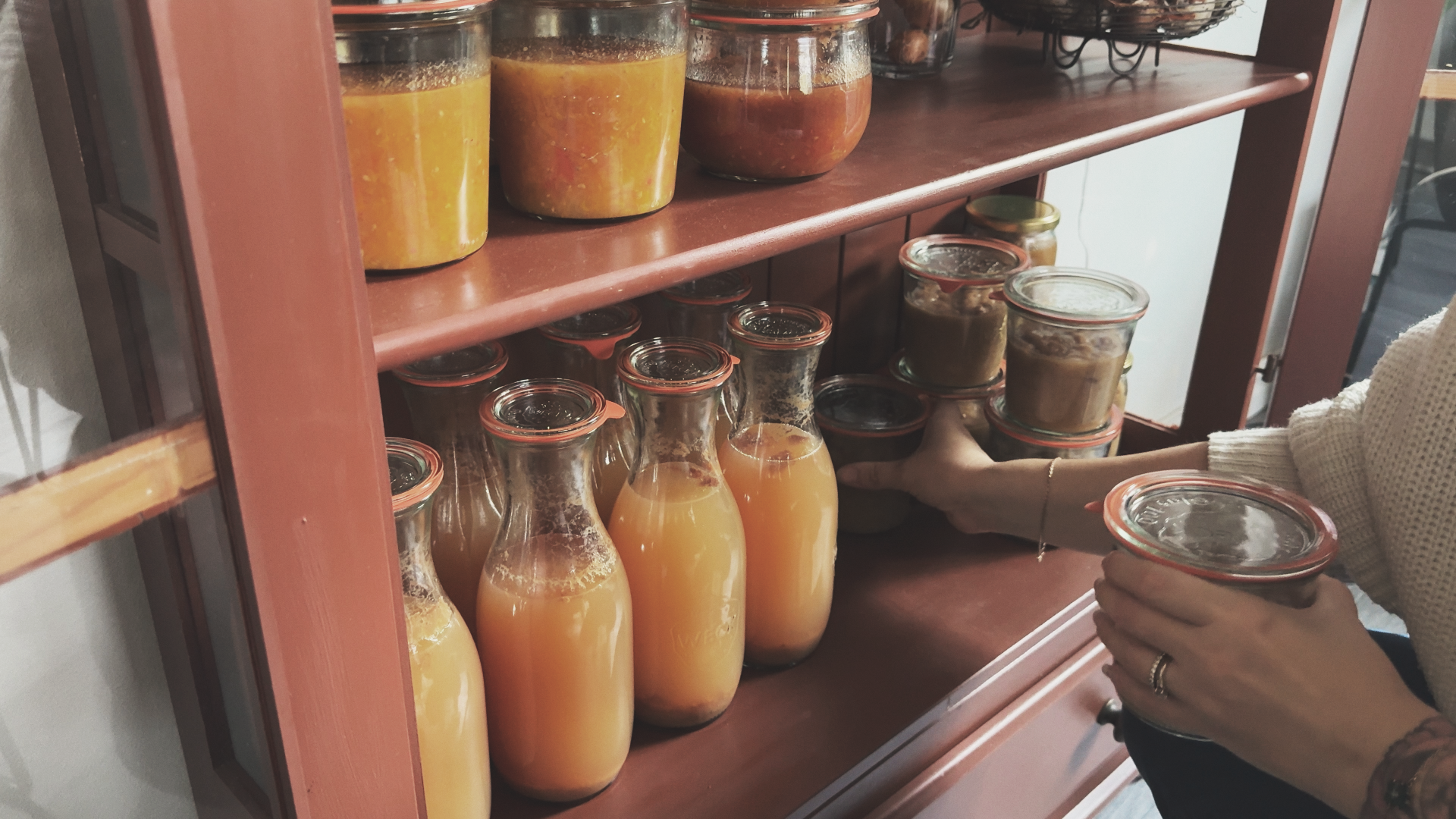
The last big harvest from the garden this year. Finally, I have a place where I can find everything. At last, all my winter supplies will have their own place in one spot. I’m so happy! Let’s finally stock up the pantry! We’ll have to eat these little corn cobs fresh, but I’ve hung a few others to dry for seed. Onions are, of course, an essential staple in the larder. They’re so easy to grow. This is a special perennial variety called “potato onion”. They multiply on their own. Would you like to see a video about growing perennial vegetables? Let me know in the comments on YouTube.
These are the dry beans for this year. They need to dry in a well-ventilated place for one to two weeks. Drop them onto a table: fully dried beans often make a hard, rattling sound. These ones aren’t quite ready yet. These are completely dry and ready to go into storage. Tea that has been foraged and grown in the garden. More tomato sauce, the apple juice we pressed this year, and some homemade apple purée.

Recipes in this video:

More videos